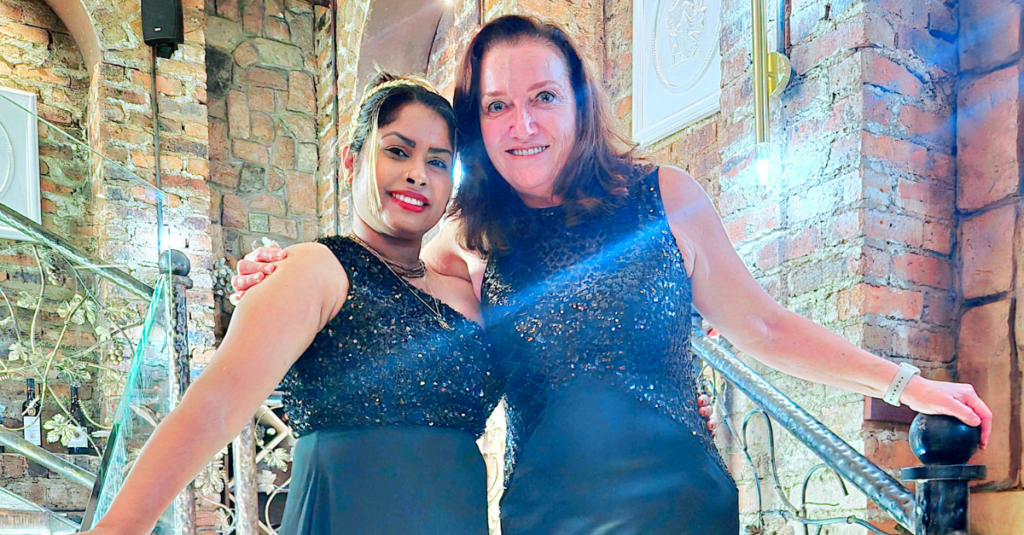
Earlier this year, more than 60 professionals from across the SRK Consulting global network gathered in Sandton at the Contaminated Land Environmental Rehabilitation (CLER) Workshop to exchange specialist knowledge on contaminated land management and the remediation of soil and water – while strengthening collaboration across its global practice.
According to SRK Consulting (South Africa) principal scientist and partner Dr Laetitia Coetser, the in-house workshop demonstrated the significant depth and breadth of expertise within SRK Consulting’s global network. Notably, women accounted for 40% of the workshop participants.
“This forum assembled SRK colleagues across environmental science, engineering and mining disciplines, reflecting the increasingly diverse talent driving our work in this field,” said Dr Coetser. Among the SRK practices represented were South Africa, the United Kingdom, Chile and Australia –with colleagues from China joining online.
Integrating disciplines
The range of disciplines in the workshop – from hydrogeology and geochemistry to environmental engineering and water management – showcased the importance of an integrated approach to contaminated land management,” she said. “A key aim for us is always to avoid thinking in silos – and to rather think across disciplines; this really produces better outcomes for clients.”
Sathisha Barath, principal hydrogeologist at SRK highlighted the collaborative spirit in the workshop, which crossed geographical borders and allowed the global network of professionals to leverage each other’s experience. Barath noted that, as environmental regulations tighten and environmental, social and governance (ESG) expectations grow, contaminated land management has become an increasingly important aspect of responsible mining.
“We’re seeing some of the remediation tools we have implemented in South Africa being utilised on African projects, and we are supporting our European counterparts by sharing our knowledge and experience,” she explained. The South African practice stands out in SRK’s global network for having its own dedicated team of experts focussed on contaminated land management and remediation.
Proactive steps to closure
These interventions are creating valuable opportunities for mining companies globally to address contaminated land proactively rather than waiting until the final stages of closure phase.
“Progressively identifying and managing contaminated land over the life of a project can significantly reduce future closure costs and liabilities – while demonstrating a proactive and sustainable approach to environmental stewardship and risk management,” she said. “Clients increasingly want sustainable, innovative and integrated solutions that satisfy stakeholders such as communities, regulators and investors simultaneously.”
Although environmental regulations vary across Africa, she noted that environmental accountability will become more stringent as international investors, financiers and supply chains demand higher levels of ESG performance.
Women in science, engineering
The ratio of women at the CLER workshop pointed to the growing gender diversity within SRK Consulting and the broader scientific and engineering community. Both Coetser and Barath reflected on their career journey and the importance of education, determination and support from colleagues and family. While they hold senior positions today, neither woman’s career began with privilege, they explained. Coetser was in fact the first person in her family to obtain a university degree.
“My parents did very ordinary work and there was not much money to spare – but they always supported me,” she explained. “I worked many different jobs while studying, to make things easier for them. Looking back, it was challenging path, but it showed me that if you really want to achieve something, you can make it work.”
Originally studying industrial microbiology, she specialised in acid mine drainage before completing a doctorate on passive treatment technologies. Rather than following a rigid career plan, she believed that success came from recognising opportunities as they emerged.
“I have never actively pursued positions,” she reflected. “I’ve tried to do the best I can in my current situation, and the right doors have opened.”
Barath’s journey was equally determined, being raised in a family where her father earned just enough to support three children. She realised early on, however, that education offered the best pathway to her future.
“I finished school with As and Bs, but with no money to pay for university,” she recalled. With help from extended family, she was able to register– and later earned a Mining Qualifications Authority bursary to study geology. She went on to complete a Master’s degree in hydrogeology while working full time and raising her young son.
“These experiences build resilience and humility, which are vital attributes to forge relationships and create value in the workplace,” she said.
Leading by example
Having become leaders in their fields, both women reject the notion that leadership is primarily about authority or status. For Coetser, leadership begins with example.
“You can’t change someone else’s journey, but you can support them and help them make better choices,” she said. She recalled mentoring support staff early in her career, encouraging colleagues to develop computer skills, obtain driving licences and pursue opportunities they had never believed possible.
“If you can make even a small difference in someone’s life every day, you can actually change lives,” she said.
While technical excellence is the foundation of a successful career, it is insufficient on its own, Barath pointed out.
“Every industry is full of bright minds, but humility is incredibly important because it allows people to approach you, ask questions and learn,” she said.
With the range of responsibilities carried by women when balancing their careers with motherhood and family roles, she also emphasised the impact of mentoring and support within the workplace.
Growing diversity
Coetser noted that the gender diversity showed a significant shift in women aspiring to careers in science and engineering. She said it was important to encourage women to explore opportunities in these fields, which now encompassed a range of disciplines.
“Open your mind – your current qualification should never become your endpoint,” she urged. “Opportunities exist across disciplines if you are prepared to keep learning and remain resilient.”
Barath noted that her career at SRK Consulting – now reaching 17 years – has been characterised by new discoveries and continuous learning to innovate solutions.
“Never stop dreaming; dreams are the tiny seeds from which beautiful tomorrows grow,” she said. “Stay curious and committed. If you do work that you genuinely love, it will never feel like it’s just a job.”