Demonstrating Aurex’s ability to deliver complex renewable energy infrastructure across diverse provinces and operating environments.
Marking a significant milestone in the company’s growth and technical capability, Aurex Constructors has completed two large-scale solar photovoltaic (PV) projects for global energy company ENGIE and local developer Pele Green Energy.
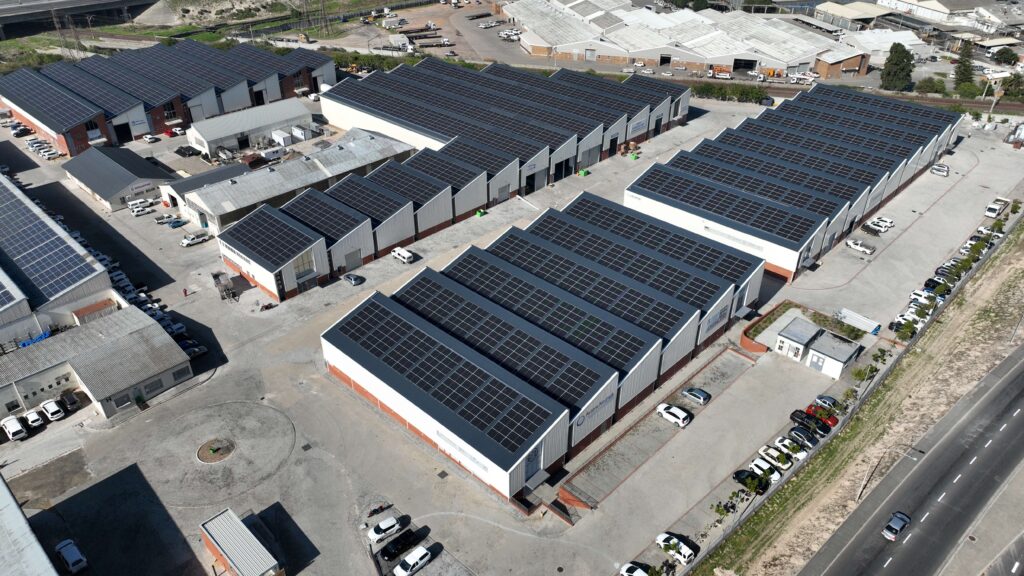
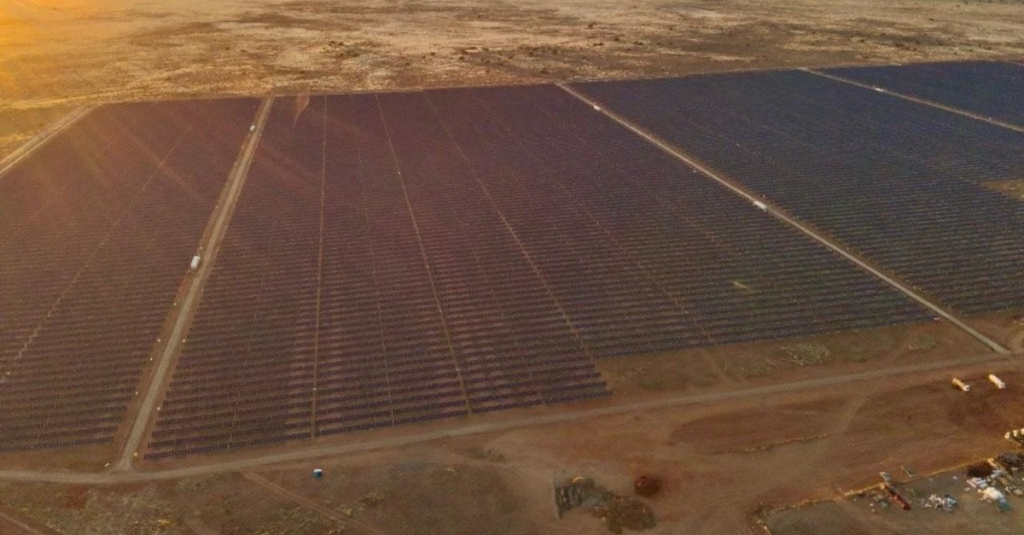
The Grootspruit Solar PV plant in the Free State and the Graspan Solar PV plant in the Northern Cape have both reached Commercial Operation Date (COD), transitioning from construction into full electricity generation and contributing renewable power to South Africa’s grid. The completion marks an important step in Aurex’s continued expansion in the utility-scale renewable energy sector.
Delivered under Bid Window Five of South Africa’s Renewable Energy Independent Power Producer Procurement Programme (REIPPPP), the two projects together add 150 MW of solar generation capacity to the national grid, strengthening the country’s energy supply and supporting the transition towards cleaner electricity generation.
For Aurex, the projects represent more than successful project delivery. The Grootspruit project in particular marks a strategic geographic shift for the company. For many years, utility scale projects executed by Aurex were mostly concentrated in the Northern Cape due to the abundant sunlight.
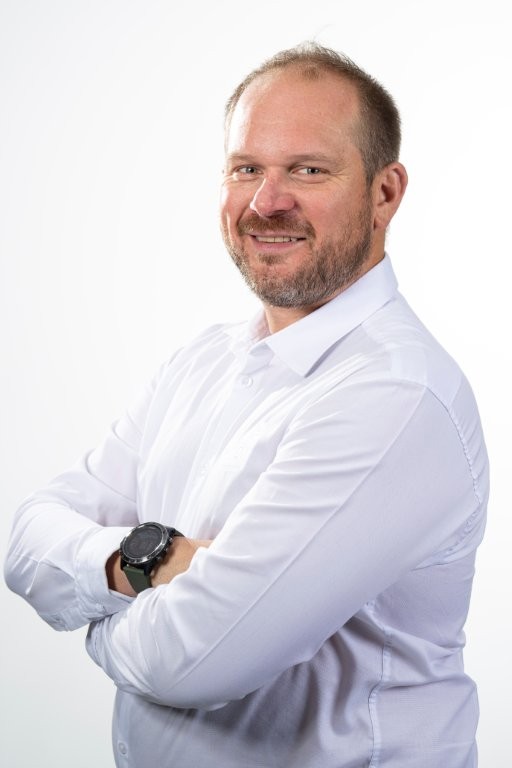
Grid capacity constraints brought about a shift in focus by developers to the Free State Province. “Grootspruit is the first large-scale solar project we have executed outside of the Northern Cape since we entered the renewable energy sector,” says Delvin Bühler, Chief Operations Officer at Aurex.
“It reflects an important step in expanding Aurex’s regional footprint and demonstrates our ability to deliver complex renewable energy infrastructure across different provinces and operating environments,” comments Bühler.
Different operational challenges
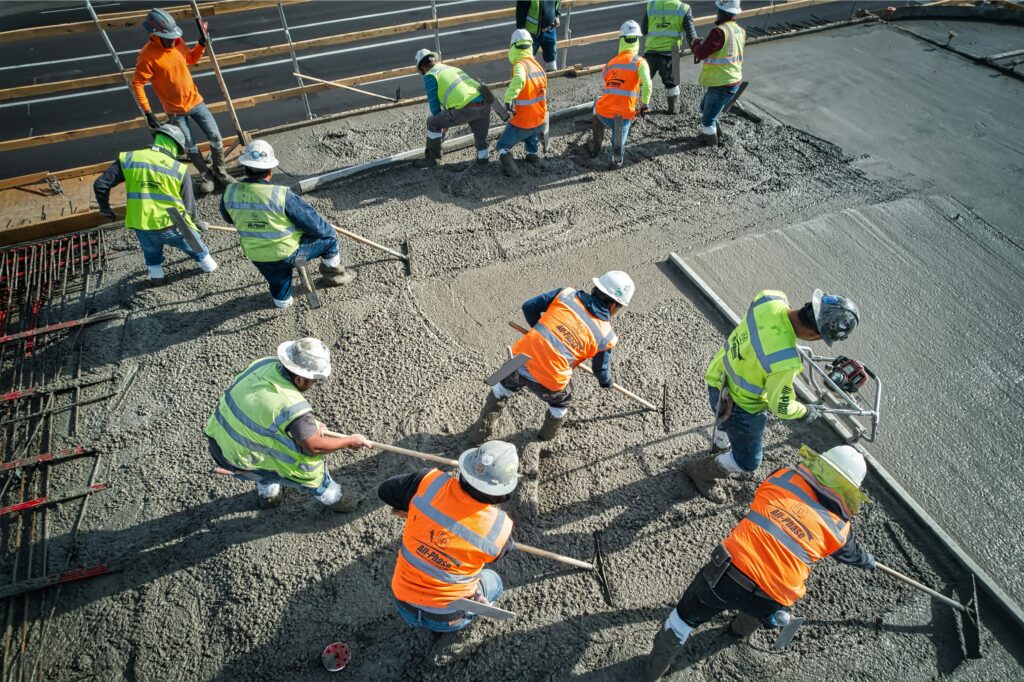
Both projects are 75 MW AC utility-scale solar plants, constructed in parallel over an approximately 18-month project timeline. The sites required full balance-of-plant engineering and construction, including civil, mechanical, electrical, and commissioning works. While the projects shared similar technical specifications, they presented distinct operational challenges.
Grootspruit, located near Welkom in the Free State, required Aurex to adapt to significantly different environmental conditions compared to the arid Northern Cape sites where the company traditionally operates. Heavy rainfall during construction created logistical and scheduling challenges, with waterlogged conditions affecting work areas on-site.
Meanwhile, the Graspan project, situated roughly 100 km south of Kimberley, presented geological challenges due to extensive rock formations that complicated foundation and installation work. “Every project site presents unique conditions,” explains Bühler.
“Whether it is terrain, soil composition, rainfall patterns or logistics in remote locations, the engineering and construction approach must be adapted accordingly. Successfully completing both projects despite these challenges is a testament to the strength and experience of our teams.”
Sub-EPC model
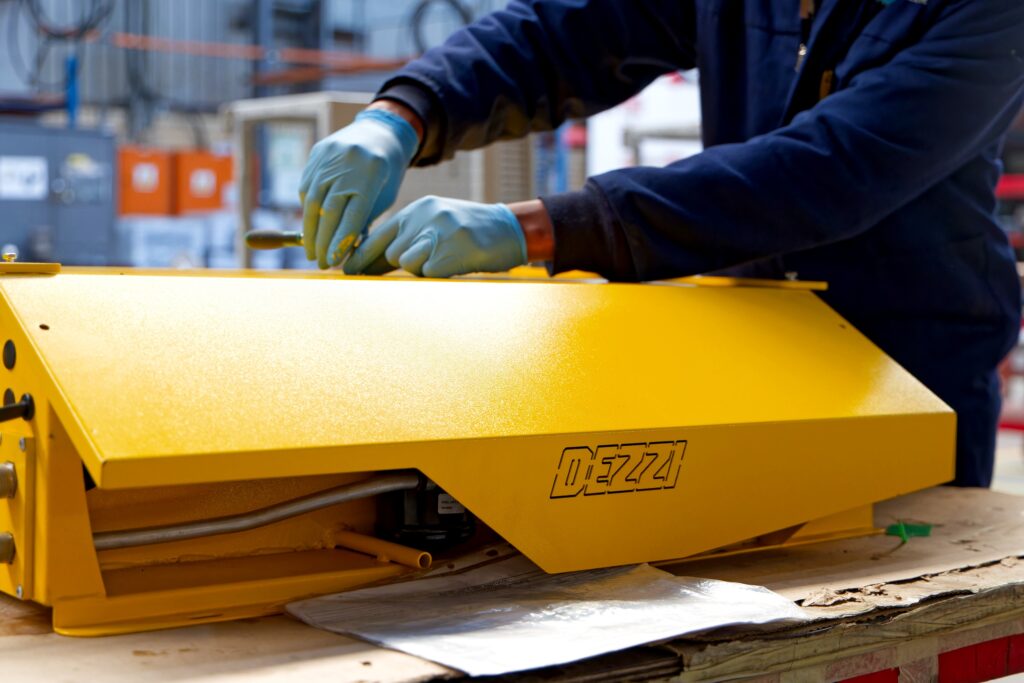
The projects were delivered using a sub-EPC (Engineering, Procurement and Construction) model, where ENGIE and Pele Green Energy supplied key equipment such as solar modules and inverters while Aurex engineered the plant design and delivered the full construction scope. This collaboration also played a critical role in accelerating Aurex’s internal technical capabilities and strengthening its engineering capacity.
“At the start of these projects, we were primarily operating as a construction partner,” notes Bühler. “Working with ENGIE and Pele Green Energy encouraged us to move further up the value chain and expand our engineering capability, allowing us to take on a greater scope of work and deliver more integrated renewable energy solutions.”
Herman Buhrmann, Director of Renewable Energy Solutions at Aurex, says the projects helped fast-track development of the company’s internal engineering department. “When engineering and construction sit under one roof, it improves decision-making, constructability and project efficiency. It also means we can optimise designs from the start with practical construction insights, ultimately delivering better outcomes for our customers,” says Buhrmann.
Improving project efficiency
The engineering team has grown rapidly as a result, positioning Aurex to deliver more integrated EPC solutions across the renewable energy sector. Unlike many EPC contractors that outsource construction scopes, Aurex performs civil, mechanical, electrical, and commissioning activities in-house, reducing interface risk and improving project efficiency.
The successful delivery of Grootspruit and Graspan has also strengthened Aurex’s relationship with ENGIE and Pele Green Energy. “We have received very positive feedback from the customer, and they have expressed a strong interest in continuing to work with us on future opportunities,” adds Bühler. “Building trusted partnerships is essential in a sector that is evolving as quickly as renewable energy.”
The two solar plants will also deliver significant long-term benefits for South Africa’s energy system. Together they are expected to cut approximately 100 000 tonnes of CO₂ annually and supply clean electricity to around 80 000 households, tangible contributions to South Africa’s decarbonisation and energy security goals.
For Aurex, the projects represent both a successful delivery milestone and a platform for future growth. “These projects pushed us to expand our capabilities and strengthen our engineering expertise,” concludes Bühler. “We are proud of what has been achieved together with ENGIE and Pele Green Energy; we see this as the beginning of many more opportunities to support South Africa’s renewable energy future.”