Why the future of robotics depends on more women
As robotics, artificial intelligence (AI) and automation continue to transform industries, one challenge remains: women are still underrepresented in the fields shaping the future of technology. According to UNESCO, women account for just 35% of tertiary STEM graduates globally, while in engineering, manufacturing and construction, the disciplines that underpin robotics, that figure drops to only 26% across G20 countries. At a time when industries are facing growing shortages of engineering and digital skills, this represents an untapped opportunity.
For South Africa, where advanced manufacturing and automation are becoming increasingly important to economic growth, attracting more women into robotics is no longer simply about diversity. It is about ensuring the country has the talent it needs to innovate, compete and build the workforce of the future.
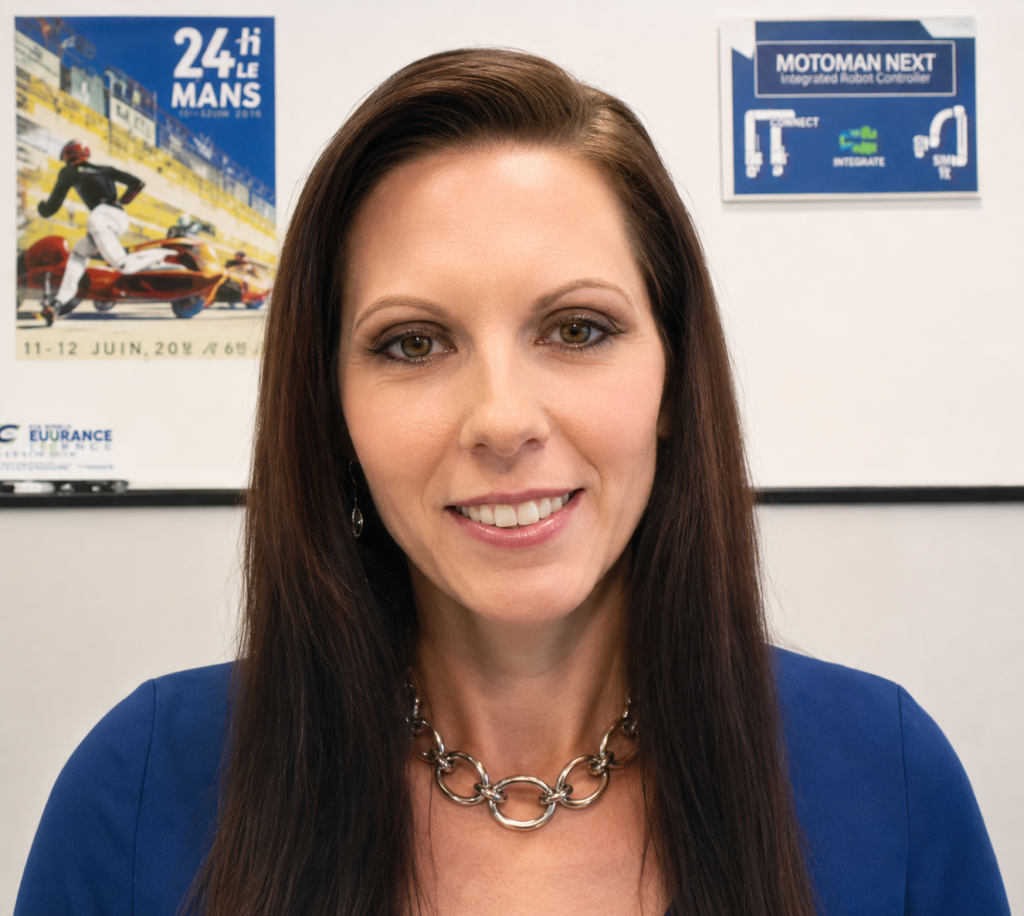
For Dr. Martina Hutter-Mironovova, Platform Manager Intelligent Robotics at Yaskawa Europe GmbH, a career in robotics was never part of the original plan. “I chose to study mechanical engineering because both of my parents were engineers,” she explains. “My studies focused on automation technology rather than robotics specifically. It was only after joining Yaskawa and working hands-on with industrial robots that I discovered a genuine passion for the field, which eventually led me to complete a PhD in Technical Cybernetics, closely related to robotics and AI.”
Her journey reflects an important reality. There is no single path into robotics. As technology has evolved, so too have the careers available within the industry.
“Robotics today is far more than designing machines,” says Dr. Hutter-Mironovova. “The growth of AI and what we now call Physical AI has significantly expanded the field. Software development, machine vision, product management, project leadership and marketing all play an important role. Whether someone enjoys programming, solving engineering challenges or leading innovation, there is a place for them within robotics.”
While the industry has evolved, perceptions have often lagged behind. “When I started my career, industrial technology was still heavily male-dominated,” she recalls. “Building trust with customers was often more difficult simply because I was a woman. I felt I had to prove myself twice as much as some of my male colleagues. Rather than discouraging me, it motivated me to continuously deepen my technical knowledge and keep learning. Looking back, that challenge ultimately helped me grow.”
She believes that while significant progress has been made, visibility and encouragement remain critical to attracting more women into robotics. “I was fortunate to have mentors who recognised my potential and believed in me. That support gave me confidence that I was on the right path,” she says. “We need more visible role models to show young women that they can absolutely succeed in robotics. The earlier on they see successful women in these careers, the easier it becomes to imagine themselves following the same path.”
Dr. Hutter-Mironovova also believes one of the biggest misconceptions is that robotics is only for a select few. “It starts with mindset,” she says. “If you decide this is something you want to pursue, set a goal and work towards it, there are many opportunities available. We cannot control every circumstance, but we can choose our direction and continue learning. Today’s robotics industry welcomes many different skills and perspectives.”
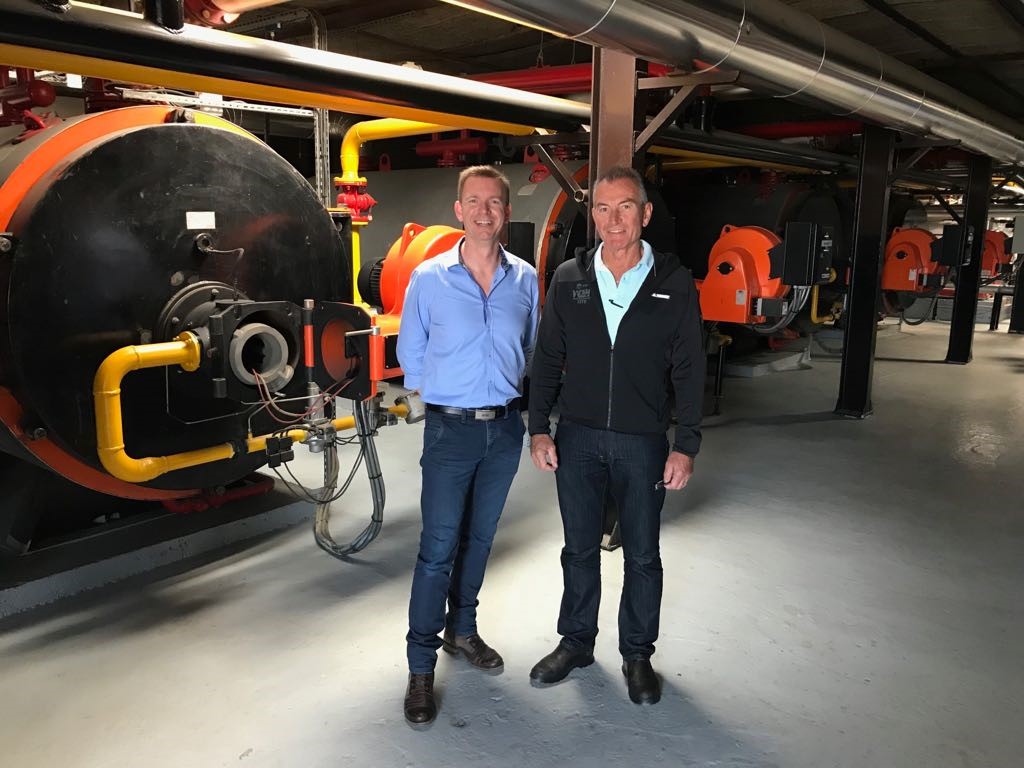
Andrew Crackett, Managing Director of Yaskawa Southern Africa, believes South Africa has a unique opportunity to build a more inclusive engineering workforce while strengthening its manufacturing sector.
“South Africa has an incredible pool of talent, creativity and problem-solving ability,” says Crackett. “As automation becomes increasingly important across every industry, we need to ensure that robotics is seen as an exciting career for everyone. The future of engineering will depend on bringing together diverse perspectives to solve increasingly complex challenges, and that starts by encouraging more women to see themselves in these careers.”
He adds that creating greater awareness is just as important as creating opportunities. “Many young women simply don’t realise how broad the robotics industry has become. Today’s careers span engineering, AI, software development, project management and product innovation. By showcasing these opportunities and the women already succeeding in them, we can inspire the next generation of innovators who will help shape South Africa’s future.”
For Yaskawa, encouraging more women into robotics is about more than representation. It is about unlocking talent, accelerating innovation and ensuring the industry benefits from the broadest possible range of ideas and perspectives. As robotics continues to evolve alongside AI and digital transformation, the opportunities have never been greater. The challenge now is ensuring more young women recognise that they not only belong in robotics, but that they have the potential to lead its future.