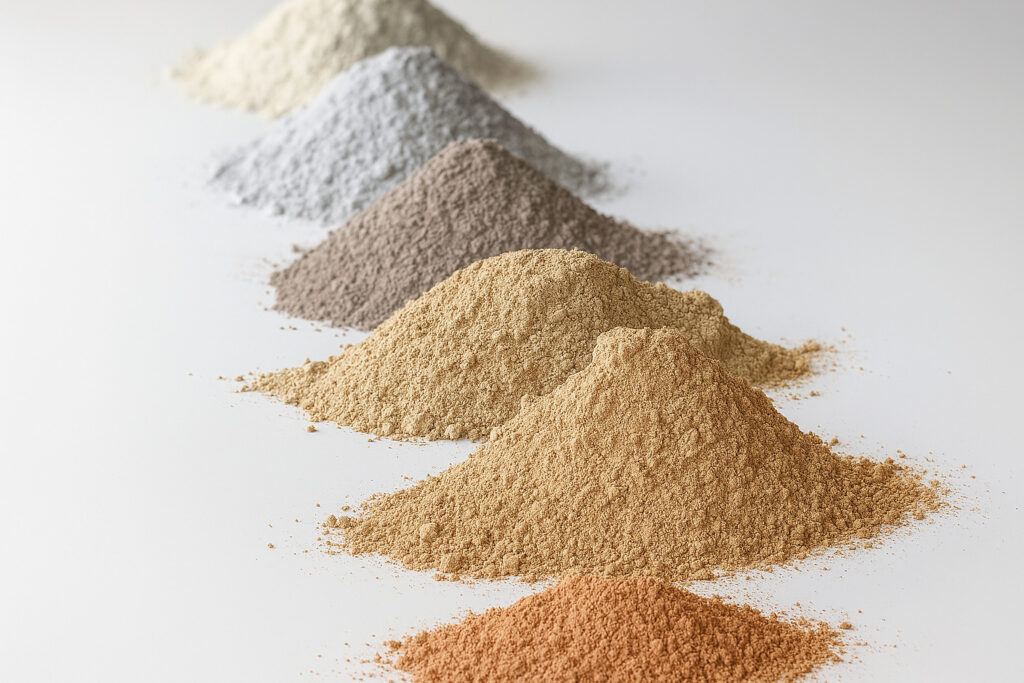
Abundant deposits of clay across Africa make limestone calcined clay cement (LC³) a popular lower carbon option for the continent and Chryso Southern Africa is finding innovative solutions to the challenges posed by clay variability.
While South Africa has access to traditional supplementary cementitious materials (SCMs) like fly ash and slag, most African countries need to rely on natural clay deposits to reduce the clinker in cement, according to Chryso Southern Africa’s Research and Development Manager, Mpume Mabaso-Mlalazi. This is driven by the cement industry’s commitment to decarbonise production by reducing the proportion of carbon-intensive clinker in cement.
“LC³ has the potential to transform cement production across Africa,” Mabaso-Mlalazi argues. “However, this requires that we manage the variability and performance of clay holistically – from raw material selection through to final concrete.”
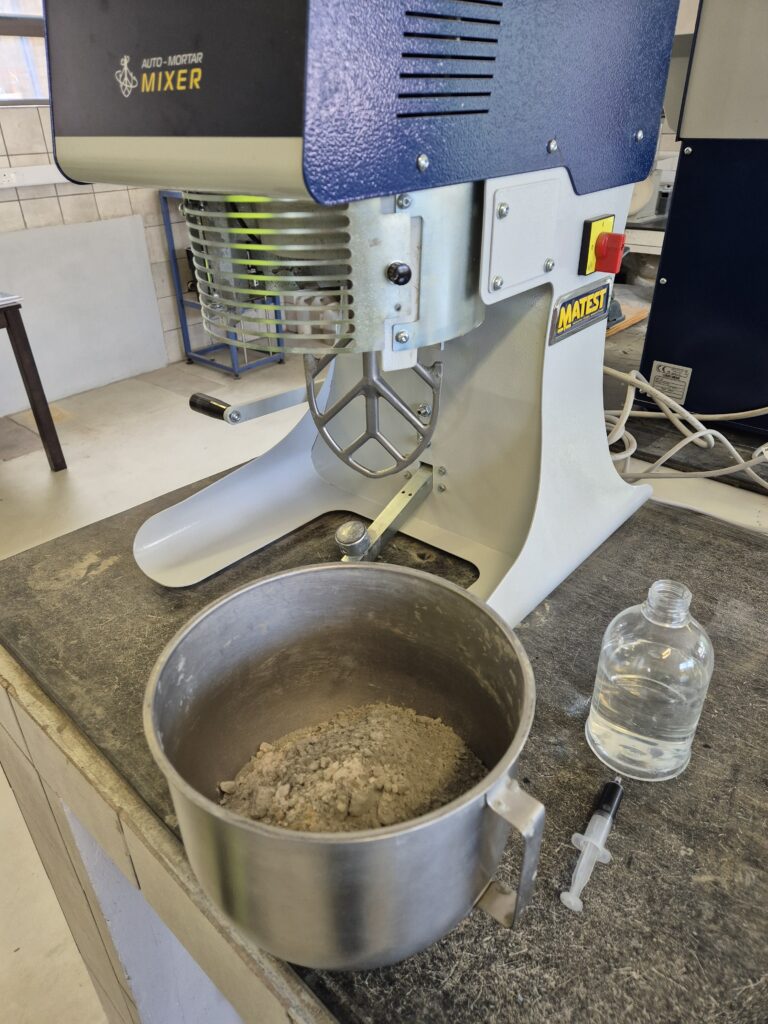
She highlights that Chryso has invested heavily in research and development into LC³ solutions – analysing over 30 calcined clays to characterise variability in mineralogy, fineness, reactivity and water demand. The company has developed advanced testing methodologies, including a proprietary clay test to assess polymer intercalation and its impact on admixture efficiency.
“Clays have a high affinity for water but we don’t want excess water in concrete because it compromises strength,” she explains. “Managing that balance therefore becomes critical to the application and scalability of LC³.”
This challenge is closely linked to rheology, or how the material flows, and ultimately impacts both workability and strength development. In addition, interactions between clay particles and chemical admixtures – particularly superplasticisers – can reduce admixture efficiency.
“Where clay absorbs the admixture, much higher dosage may be needed to achieve the same effect,” Mabaso-Mlalazi explains. “This has cost implications for producers, so should be avoided.”
Leveraging this insight, Chryso designs tailored polymer chemistries and specialised product ranges to stabilise performance, control rheology and optimise strength development. Its work bridges laboratory research and industrial application, enabling customised, cost effective solutions that support consistent, scalable adoption of LC³ across diverse raw material conditions.
“Industry is now transitioning from research to industrial deployment, so the need for practical, scalable solutions is becoming increasingly urgent,” she says.
“This was highlighted once again at the International Conference on Calcined Clays for Sustainable Concrete (ICCCSC 2026) held earlier this year in Cape Town, which called for more collaboration and real-world implementation support.”
Chryso Southern Africa is well positioned to meet this need, combining global R&D expertise with local application knowledge, she argues. By addressing the technical complexities of LC³ – particularly its variability, rheology and admixture interaction – the company is enabling producers to adopt low clinker systems with confidence.
“By doing this, Chryso is not only supporting decarbonisation targets, but also helping to build a more resilient and sustainable construction ecosystem for Africa,” Mabaso-Mlalazi says. “We make the technology easier to use, more reliable and more affordable, which will ultimately enable the scaling up of LC³.”