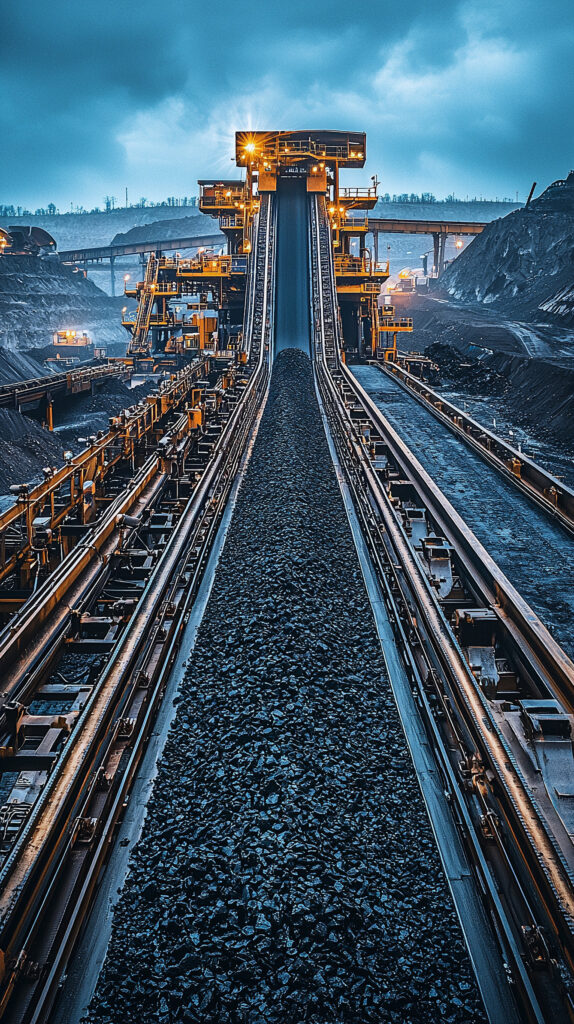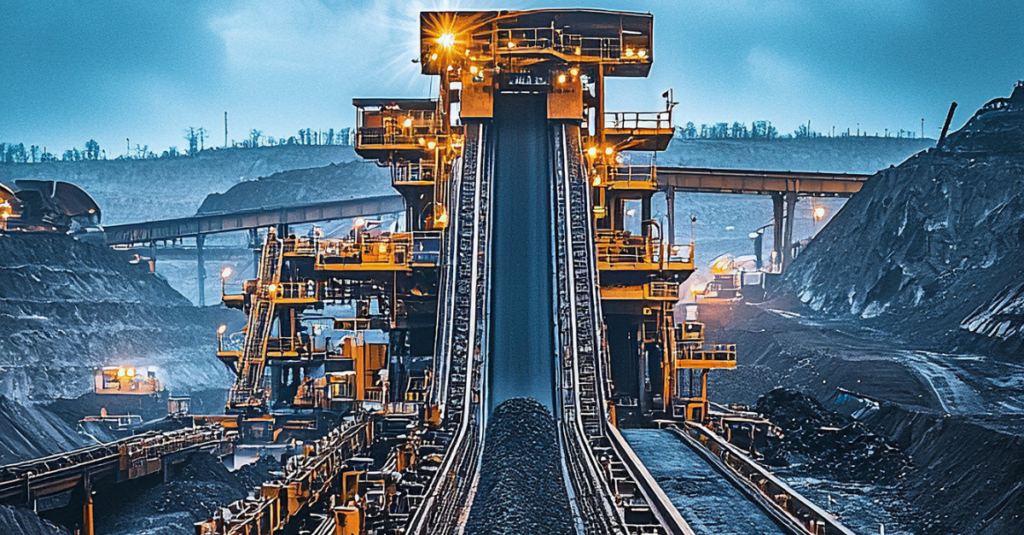
Mining is one of the harshest operating environments for any piece of machinery. Dust, shock loading, moisture and extreme mechanical demands place equipment in mining operations under near-constant stress. However, when machinery fails, lubrication is often one of the last things that is looked at, even though it is often at the root of the problem.
Llewellyn Owen, New Business Development Manager (Coastal) at Lubrication Engineers (LE) South Africa, says that in his experience working with mining operations, the same lubrication failures come up again and again. “The conditions in mining are harsh, but the damage that gets done to equipment often preventable,” he says. “The problem is not usually the machine – it’s how it’s being maintained, and whether the right lubricant is being used in the right way.”
Demanding conditions
Fine dust and particulate matter, including coal duff, silica and mineral particles, are common in mining environments. These particles are abrasive and can work their way into bearings, gearboxes and other components if they are not properly protected. At the same time, many mining operations involve heavy shock loading, which puts enormous pressure on lubricant films and can cause them to break down, allowing metal-to-metal contact and accelerated wear.
Water is another significant challenge. Moisture can wash out or dilute lubricants, leading to corrosion and a loss of film strength.
Owen says that high temperatures, from both the environment and the machinery as it runs, can cause some lubricants to thin out, reducing their protective capacity just when it is most needed.
Where lubrication usually goes wrong
Owen says there several recurring failure points in mining lubrication. The first is choosing the wrong product. Mining equipment is designed to operate within specific lubrication parameters, and using a product that does not meet those specifications – whether in viscosity, load-carrying capacity or water resistance – will eventually cause damage.
“People often think a grease is a grease,” says Owen. “But greases vary significantly in viscosity, tackiness and the additives they contain. Using the wrong product for a mining application doesn’t just reduce performance, it can actively accelerate wear.”
The second major failure point is contamination during storage and handling. LE’s estimates that around 90% of lubrication contamination occurs before the lubricant ever reaches a machine. Lubricants stored in open or poorly managed containers are vulnerable to dust, moisture and cross-contamination. When that contaminated product is then applied to critical components, it introduces the very particles it was meant to exclude.
Incorrect application is a third, often overlooked, problem. Both over-greasing and under-greasing cause failures. Under-greasing results in too little coverage and increased wear; over-greasing generates heat, increases energy consumption and can damage seals. In heavy-load mining applications such as conveyor systems, specific application practices are critical. These include things like pumping plain sleeve bearings to capacity so that old grease is flushed out and contaminants are expelled.
Finding the right product
Not all lubricants are suited to the demands of mining. LE recommends products specifically formulated to withstand the conditions found in these environments. LE’s Almagard® Vari-Purpose Lubricant (3752, 3751, 3750) ,for example, is a long-lasting, water-resistant grease that maintains its consistency under heavy-duty use, does not wash off or pound out, and continues to perform in severe conditions. Almatek® General Purpose Lubricant (1233, 1235) is also tacky by design, enabling it to cling to metal surfaces even under shock loading and water exposure, which is a common combination in mining operations.
Getting the basics right
“The fundamentals aren’t complicated, but they do take discipline,” says Owen. “Cleaning components before applying lubricant, using the right product for the application, applying it correctly, storing it properly and monitoring it over time makes all the difference. When mining operations get those basics right consistently, you can clearly see an improvement in equipment reliability.”
For operations looking to improve their lubrication practices, Owen recommends working with a lubrication specialist who can assess the specific conditions on site, identify the most vulnerable components and put in place a programme that covers product selection, storage, application and monitoring.