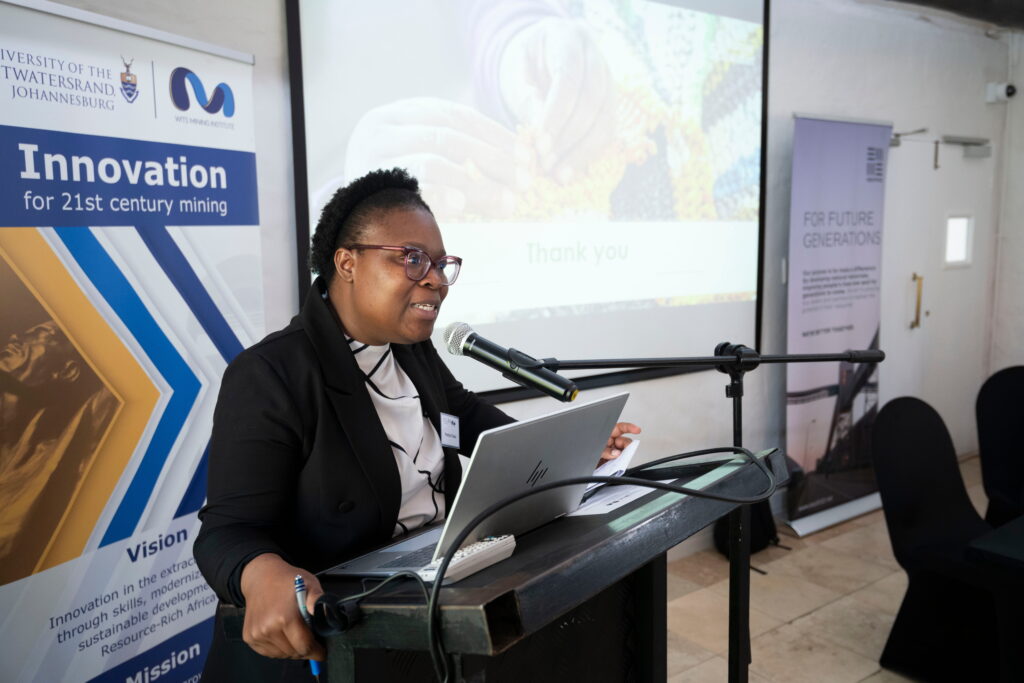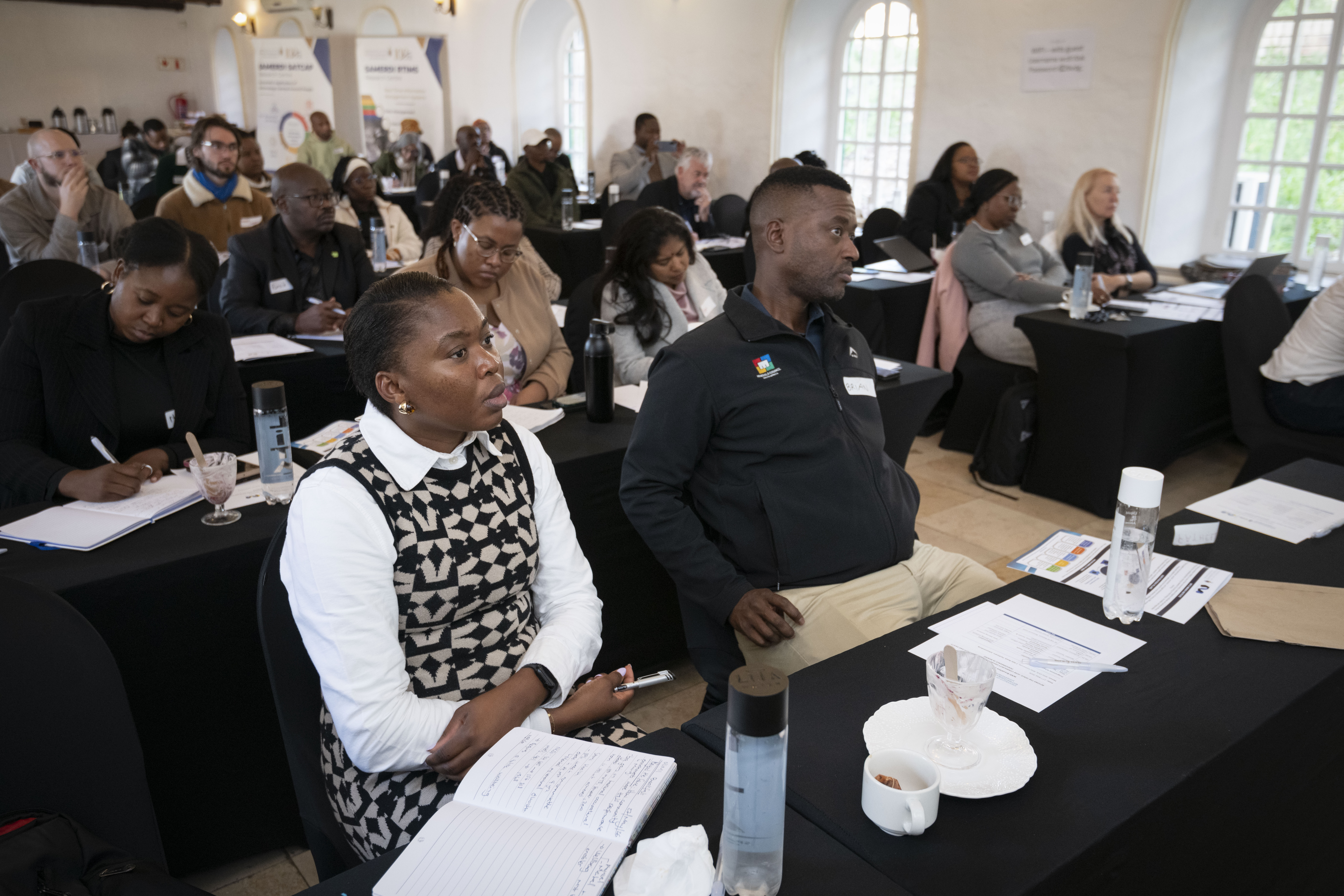
The Wits Mining Institute recently hosted a thought-provoking breakfast dialogue titled Beyond the Fence: How Community Environments Shape Health and Safety Performance in Mining, sponsored by South32. The event brought together leaders from academia, government, labour and the mining industry to examine a critical but often overlooked issue: the impact of workers’ home and community environments on safety performance in mines. At the heart of the discussion was a provocation – If miners live and move within unsafe, unhealthy, and unstable community environments, how can we expect safe behaviour and optimal safety performance in mining operations?
Facilitated by Dr Pontsho Twala, Director of the Wits Mining Institute, the discussion challenged traditional approaches to mine safety by arguing that health and safety cannot be confined to activities within the mine gate alone. Instead, panellists stressed that if the mining sector is serious about achieving zero harm, it must address the broader social and community realities mineworkers face every day.
The panel featured Fatheela Brovko, Acting CEO of the Mine Health and Safety Council (MHSC); Thabisile Phumo, Executive Vice President for Stakeholder Relations at Sibanye-Stillwater; and Nandi Sibanyoni, Executive Head of Safety, Health and Environment (SHE) at Anglo American. Together, they explored how wellbeing beyond the workplace directly influences safety performance underground and on mining operations.
Delivering a presentation titled A Perspective on Prevention, Wellbeing and the Next Phase of Zero Harm, Brovko shared industry statistics indicating that while significant improvements in mine safety have been achieved over the years, the goal of zero harm remains elusive. She noted that despite major investments in addressing visible workplace risks, the industry now faces a changing health burden, particularly the rise of non-communicable diseases and psychosocial challenges affecting workers.
Brovko argued that mining companies need to pay greater attention to the “invisible risks” that workers bring with them to work, including stress, poor living conditions, family pressures and community challenges. “Wellbeing is a safety enabler,” she emphasised, calling on leaders to integrate a deeper understanding of workers’ lives beyond the mine gate into prevention strategies, leadership approaches and accountability frameworks.
Phumo reinforced the importance of placing people rather than systems at the centre of health and safety interventions. She highlighted that zero harm is not only about the workplace, but also about nutrition, living conditions, decent wages, human rights and education. Drawing on experiences from Sibanye-Stillwater’s operations, she highlighted the difficult realities many mineworkers face at home and explained how these conditions can affect behaviour, concentration and decision-making at work.
While the mining sector has made considerable progress in managing operational hazards, Phumo said the next frontier in safety requires industry leaders to “look beyond the fence” and recognise the broader systems within which workers live and operate. She also shared examples of initiatives undertaken by Sibanye-Stillwater to support worker wellbeing holistically.
Sibanyoni echoed these sentiments, noting that employees are members of communities long before they are workers. She stressed the need for safety awareness within communities themselves and highlighted Anglo American Kumba Iron Ore’s fatal risk management initiatives in the Northern Cape as an example of how mining companies can strengthen safety cultures both inside and outside the workplace.
The event attracted strong participation from stakeholders across academia, labour, industry and government, reflecting growing recognition that sustainable mine safety depends not only on operational controls but also on the wellbeing of workers and the communities they come from. This is a complex and multifaceted topic that requires more discussion. In response, the Wits Mining Institute will convene a series of further dialogues to unpack these issues, with the aim of shaping a focused research agenda that it will lead in collaboration with industry partners.