Specialist high-pressure equipment engineering firm Steinmüller Africa says the fuel South Africa has spent decades trying to get rid of may be the key to building its most reliable industrial boilers – and that the engineering required to make that case is now well established.
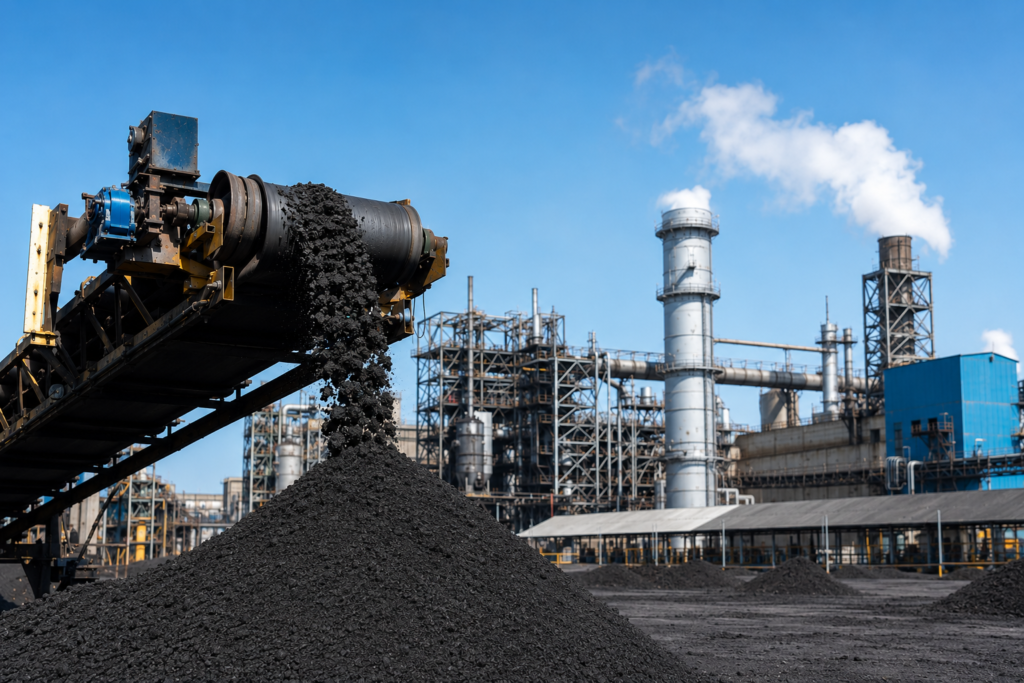
South Africa currently holds in excess of 1.5 billion tonnes of coal fines and discards on surface stockpiles, accumulated over decades as a by-product of the coal washing process that separates export-grade material from lower-quality streams. For most of that time, this material has been treated as an unavoidable liability – too fine, too wet, and too inconsistent to deploy in any commercially meaningful way. That characterisation, Steinmüller Africa argues, can now be challenged.
The Harder the Fuel, the Stronger the System
Duff coal is not simply a lower grade of fuel. Its ash, moisture, volatile, and sulphur content shift significantly depending on the season, the source, and the age of the stockpile material, placing extraordinary demands on any combustion system designed to handle it.
Industrial boilers operate for 35 to 40 years, and every design decision must account for that full range of variability – not just at commissioning, but across the entire asset life. A system engineered to those demands is more robust, more adaptable, and more resilient than one designed for a stable, predictable fuel.
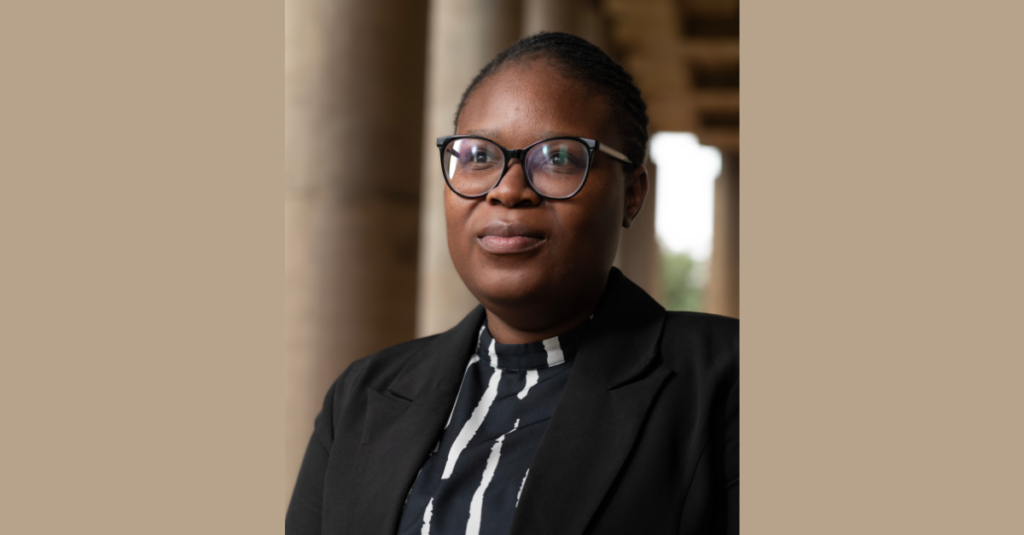
“Duff coal is one of the most demanding combustion challenges in industrial energy,” said Moso Bolofo, Chief Executive Officer of Steinmüller Africa. “Engineering a system that handles its full variability reliably over a complete asset lifetime is not a compromise. It is a standard.”
Where Engineering Progress Meets Commercial Reality
The commercial case for duff coal has historically stalled at feasibility. The engineering tools existed, but emissions regulations were not previously stringent enough to make circulating fluidised bed (CFB) combustion, the technology best suited to duff coal, commercially competitive.
That picture is changing. Tightening compliance requirements are closing that gap, CFB technology has matured to utility scale, and fuel characterisation methodology has advanced to the point where a plant’s full performance envelope can be defined with genuine confidence. Projects that could not previously be made to stack up are now within reach.
A Full-System Engineering Undertaking
A duff coal energy project is not simply a boiler project. It is a full-system engineering undertaking spanning fuel preparation, combustion design, ash handling, emissions management, and long-term operations and maintenance. What is now achievable is the ability to model the interaction of all these elements across a full asset life, producing a system designed to remain commercially viable and operationally reliable throughout.
A system engineered to handle duff coal variability is also, by its very design, capable of accommodating future fuel blending, including biomass and waste-derived streams. For heavy industry navigating the energy transition, that is a practical and phased pathway forward, grounded in engineering reality rather than aspiration.
The environmental case is equally straightforward. Unmanaged stockpiles are not passive – weathering, oxidisation, and spontaneous combustion release emissions without any form of control. An engineered combustion environment, built to regulatory compliance standards, is a materially better outcome.
“Energy security, long-term cost certainty, and environmental responsibility are not competing objectives,” said Bolofo. “The right engineering foundation makes them mutually reinforcing. Duff coal is where that case can be proven.”