AN INTEGRATED APPROACH DELIVERS BETTER BOILER WATER TREATMENT
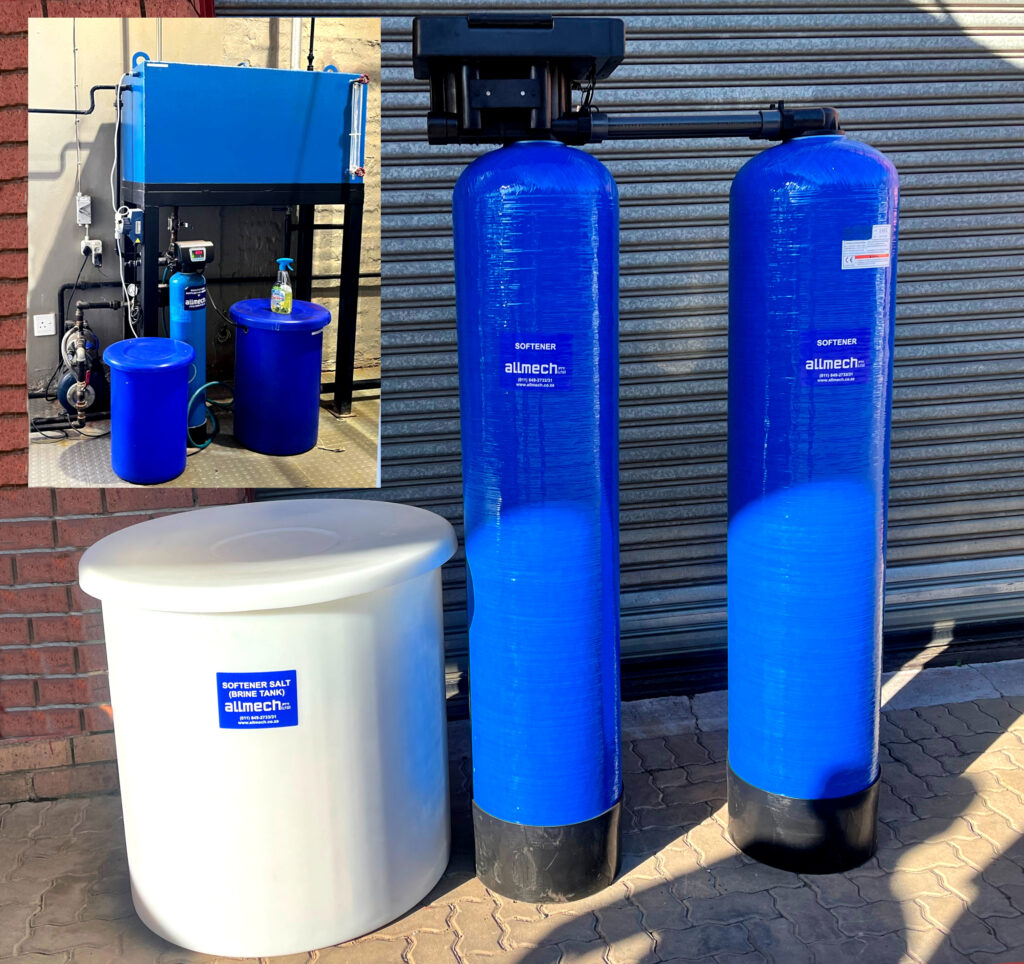
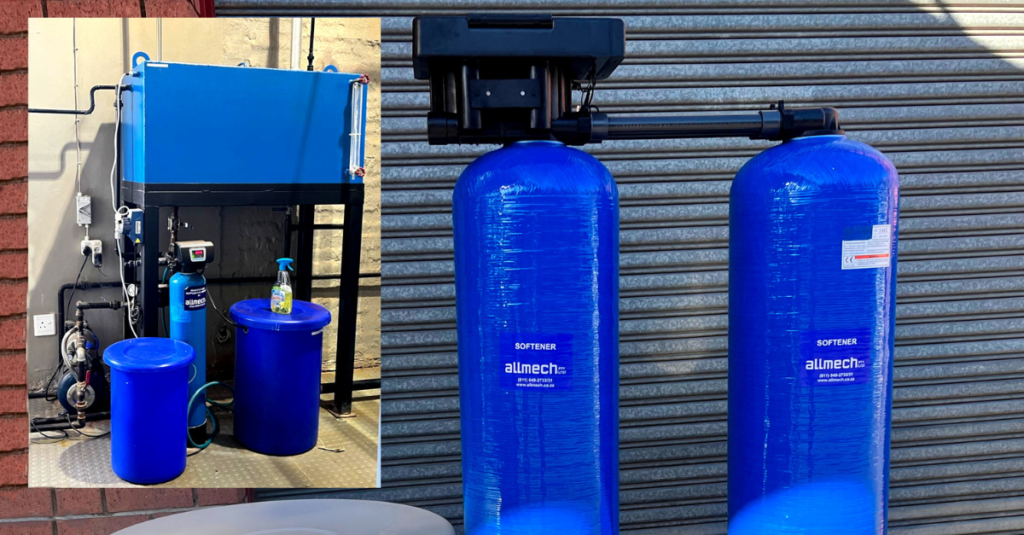
Boiler water treatment is often viewed as a service, while water softener systems are treated as a separate equipment purchase. In practice, however, the two are closely connected. When water treatment and softener systems are planned, supplied and managed as an integrated solution, businesses can reduce operating costs, minimise downtime and benefit from clear accountability throughout the system.
According to Lionel Maasdorp, MD of Allmech, the company has increasingly encountered sites where customers have invested in new boilers or upgraded existing equipment, only to discover that the accompanying softener has been undersized or is not suited to the application. This can lead to frequent regeneration cycles, poor water quality and additional expenditure to correct the installation after the fact.
“Some suppliers take a one-size-fits-all approach instead of gathering all the information about the application,” says Lionel. “If the equipment has not been sized correctly or the plant design does not address the actual shortcomings on site, the customer ultimately pays the price.”
Designing the softener system, dosing programme and overall water treatment strategy together helps ensure that every component performs the role it was intended to. It also reduces the risk of different parts of the system working against one another rather than as an integrated whole.
The benefits extend beyond the initial installation.
For example, Maasdorp says, speaking from his experience, because Allmech supplies both the equipment and the ongoing water treatment programme, its technicians visit customer sites regularly and develop a detailed understanding of each plant over time. This means potential issues can often be identified before they become major failures, while any upgrades or changes to the system can be considered within the context of the entire operation. It also creates a clear line of accountability.
Addressing the root causes of problems, not the symptoms
Just as a good physician will consider a patient holistically, seeking to understand all factors contributing to a medical issue, a competent supplier should address the entire system to fix boiler problems. Someone suffering from persistent headaches needs more than pain medication – they need to understand the cause. For example, they might need new glasses or to drink more water and cut down on caffeine consumption.
Similarly, with boiler water treatment, rather than different suppliers attributing problems to one another, a single partner can take responsibility for identifying and addressing the root cause of an issue
“An integrated relationship also prevents unnecessary duplication,” he says. “A new supplier may unknowingly repeat troubleshooting steps that have already been tried without success, while a long-term partner builds valuable knowledge of a site’s operating history. Over time, this familiarity can translate into faster problem solving, more informed recommendations and, in many cases, cost savings for the customer.”
A team effort
Despite manufacturing and supplying softener systems, Allmech has found that some customers are still unaware of this capability. This, Maasdorp says, is likely because in many organisations, procurement decisions are made separately from day-to-day plant management, meaning opportunities to consolidate suppliers are sometimes overlooked.
“It’s important for internal stakeholders to work together,” he says. “Your whole team needs to understand that if good-quality salt isn’t maintained, chemicals are diluted or recommended operating practices aren’t followed, the system won’t deliver the results it’s designed to achieve, and you’re putting your equipment at risk.”
For maintenance managers and procurement teams evaluating water treatment suppliers, the conversation should therefore extend beyond the price of equipment and look at total cost of operation. Reducing chemical treatment may appear to save money initially, but premature boiler wear and reduced equipment life can make it a far more expensive decision over time.
Ultimately, Maasdorp says, the most effective water treatment programmes are built on partnership.
“When equipment, chemistry and technical support work together as part of a single strategy, businesses are better positioned to protect their assets, reduce operating costs and keep critical steam systems performing reliably.”