Learning from South African mining’s past consequences, and progressing towards a more sustainable and inclusive industry, will be the focus of the Wits Mining Institute (WMI) 2026 seminar.
With the theme of ‘From Legacy to Leadership: Shaping Sustainable Mining Futures’, the annual event will take place this year at the Wits Club at Wits University in Johannesburg, on Thursday 8 October. The one-day seminar will bring together stakeholders from across the mining sector for critical reflection, shared learning and forward-looking dialogue to shape the country’s mining future.
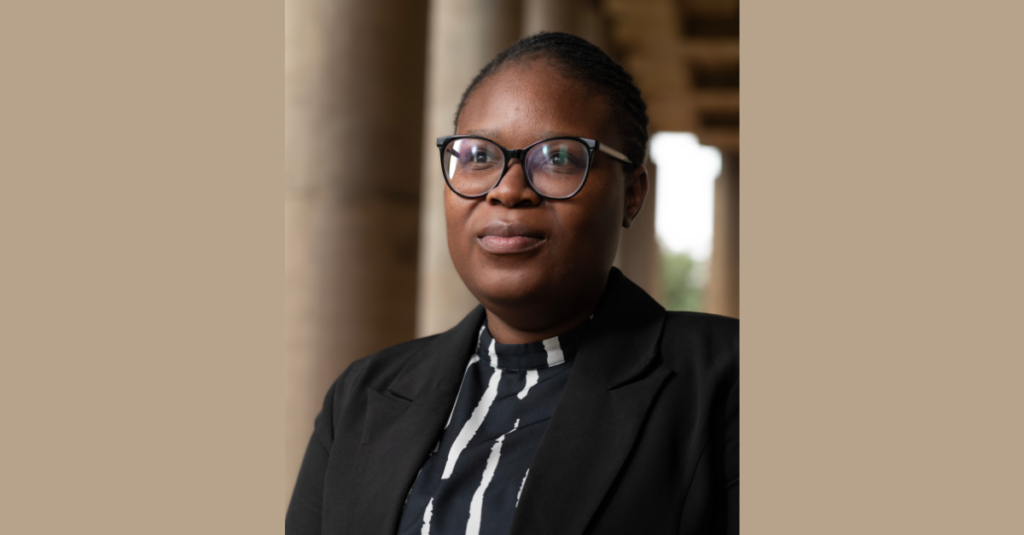
WMI director Prof Pontsho Twala said the theme reflects a fundamental challenge facing the sector.
“South African mining has made an enormous contribution to our economic development, industrialisation and job creation, but we also need to confront the environmental and social legacy that has accompanied mining,” said Twala. “The question is how we move from managing these challenges to developing practical, leadership-driven solutions for a different future.”
Raising our game
She highlighted that the sector faces a combination of longstanding challenges and new opportunities. Derelict and ownerless mines remain unrehabilitated, acid mine drainage requires ongoing treatment, and illegal and informal mining has brought increased safety risks and criminal activity. At the same time, many mining-affected communities continue to face poverty and unemployment.
“These issues are compounded by occupational health and safety concerns, energy insecurity and constrained rail infrastructure – as well as skills shortages and mismatches, and the slow adoption of new technologies,” she explained. “All of these factors affect the sector’s productivity, competitiveness and long-term sustainability.”
Against this backdrop, the seminar will examine what needs to change if South Africa is to build a mining industry that is sustainable, inclusive, competitive and future-ready. Talks and discussions will be structured around four thematic pillars: legacy, skills, technology and critical minerals.
Addressing legacy
Legacy issues such as mine closure and the social issues will have delegates examining the environmental and social consequences of historical mining activity. This includes derelict and ownerless mines, acid mine drainage, rehabilitation liabilities, financial provisioning and mine closure planning.
“The discussions will also consider post-closure land use and artisanal and small-scale mining,” said Twala. “We will explore who should carry the cost of legacy liabilities and whether current rehabilitation and provisioning arrangements are adequate.”
Human capital
The seminar’s second pillar – skills, youth and the future of work – will focus on the human capital required for a sustainable mining industry. With technological change, mechanisation and mine closures reshaping employment, the seminar will consider whether South Africa’s post-school education and training system is aligned with future industry requirements.
“We will also examine how the sector can attract and retain young talent, increase the participation of women, and support workers through reskilling and workforce transitions,” she noted.
Potential of technology
Technology, innovation and modernisation make up the third pillar, where presenters and delegates will consider the potential of mechanisation, automation, digital mining, remote operations, artificial intelligence and real-time monitoring – as tools to improve productivity, safety, sustainability and competitiveness.
“Importantly, the discussion will also address the barriers to technology adoption, including capital constraints, connectivity, labour relations and skills availability,” she said.
Critical, green minerals
The fourth pillar – critical minerals and the just transition – will consider the opportunities presented by growing global demand for critical and green minerals. With South Africa possessing significant mineral resources in several of these commodity groups, the seminar will explore where the country can realistically compete in the value chain.
“It is important that we understand how mining can contribute to a just transition that balances economic, social and environmental priorities,” argued Twala.
Supported by the WMI’s anchor funder Sibanye-Stillwater, South32 are sponsoring the seminar. Wits Business School is also supporting the event to help ensure broad stakeholder representation and the successful delivery of the seminar.
For the WMI, the seminar represents an important extension of its role in supporting the mining sector through research, thought leadership and stakeholder engagement. The day will combine keynote addresses, panel discussions and opportunities for networking – with a programme that encourages dialogue across industry, government and academia.
“The WMI has a responsibility to create spaces where difficult questions can be confronted openly and where evidence, experience and different perspectives can contribute to better solutions,” she said. “This seminar will do exactly that – moving beyond simply describing the problems to focus on the leadership, policy, skills and innovation interventions that can help shape a more sustainable future.”
To attend the WMI Seminar 2026 or obtain further information please email Lileen Lee at lileen.lee@wits.ac.za