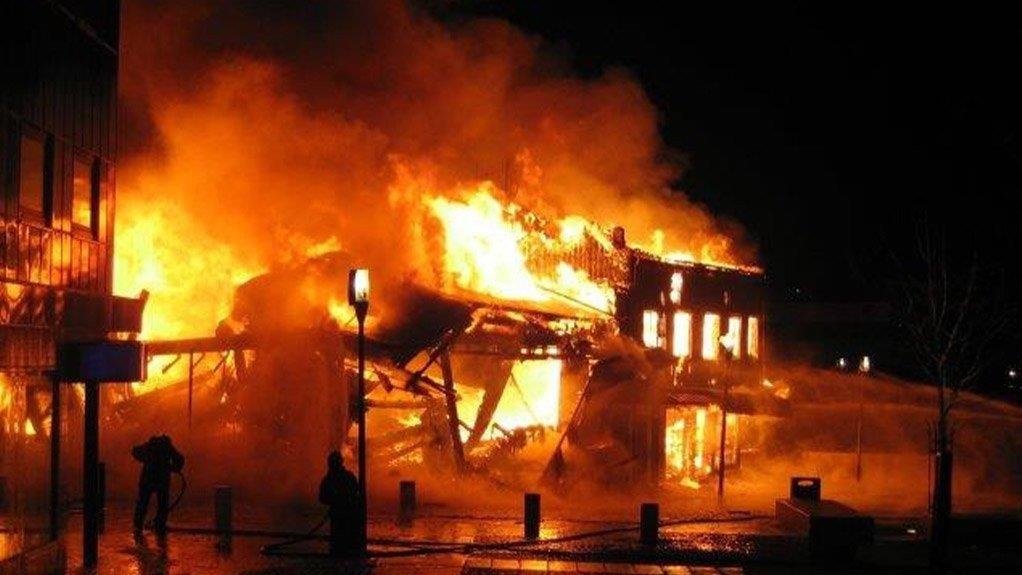
Fire detection and suppression systems are designed to perform at a critical moment, often within seconds of a developing emergency. Yet their reliability does not depend on installation alone. Without regular inspection, testing and servicing, even the most sophisticated fire protection system can fail when it is needed most. For commercial, industrial, and residential property owners across South Africa, scheduled fire system maintenance is not merely a compliance requirement; it is a life-safety imperative.
South African legislation places clear responsibilities on building owners and employers to ensure that fire protection systems are maintained in proper working order. The Occupational Health and Safety Act (Act 85 of 1993), together with relevant SANS standards such as SANS 10139 for fire detection and alarm systems and SANS 1475 for fire extinguishers, sets out requirements for inspection, testing and maintenance. Municipal fire by-laws further reinforce these obligations. Failure to comply can result in legal liability, insurance complications and, most importantly, avoidable loss of life.
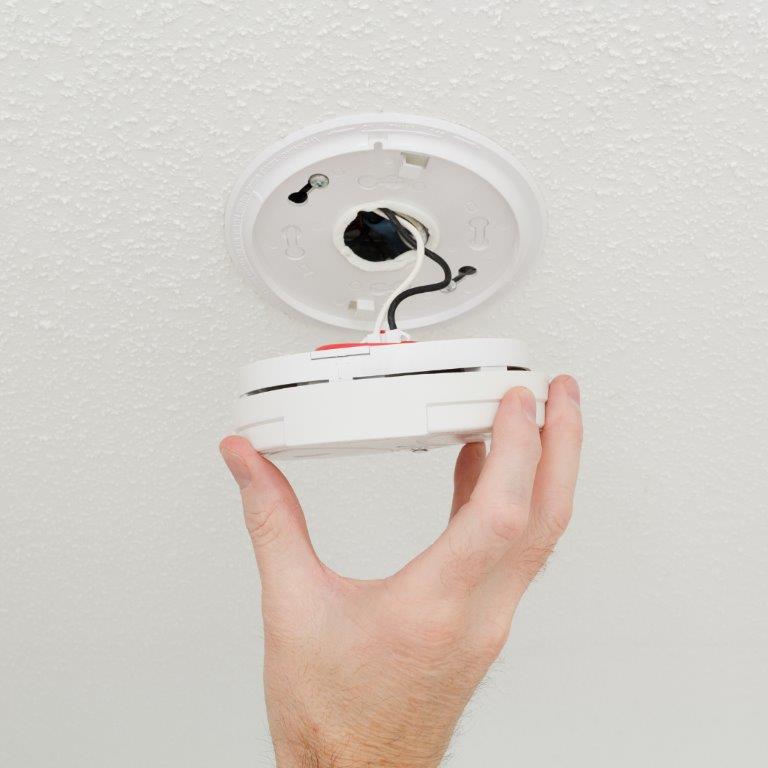
According to Michael van Niekerk, CEO of ASP Fire, regular maintenance should be viewed as an investment in operational continuity rather than an administrative burden. “A fire system is only as effective as its last service. Detection devices can become contaminated, batteries can degrade, sprinkler heads can corrode and control panels can develop faults over time. Without scheduled inspections, these issues often go unnoticed until it is too late.”
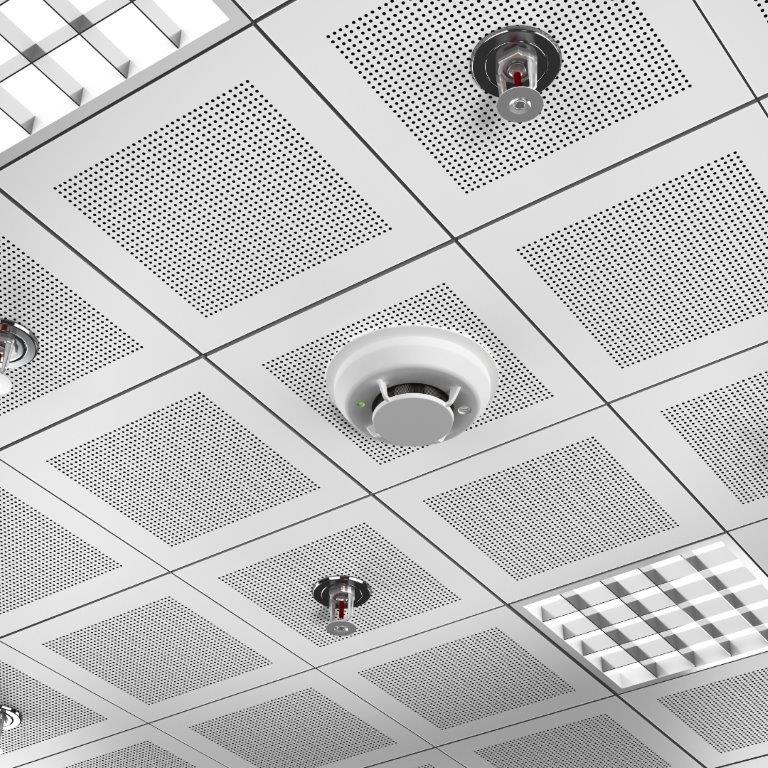
Fire detection systems rely on precision. Smoke and heat detectors must respond within defined sensitivity parameters. Control panels must correctly interpret signals and activate alarms, evacuation procedures and linked suppression systems. Routine testing ensures that detectors are calibrated, wiring is intact, communication pathways are functioning and standby power supplies are reliable. In South Africa’s diverse environmental conditions, from coastal corrosion to dusty industrial environments, environmental factors can significantly affect system performance.
Suppression systems, whether water-based sprinklers, gas suppression or specialised extinguishing agents, are equally dependent on regular servicing. Valves can seize, pumps can fail, cylinders can lose pressure and pipework can become obstructed. Scheduled maintenance identifies and rectifies these vulnerabilities before they compromise system integrity. In high-risk environments such as data centres, manufacturing facilities, and healthcare institutions, even a short delay in suppression can result in catastrophic losses.
Beyond compliance and risk mitigation, regular fire system maintenance protects business continuity. A fire incident does not only threaten lives; it can disrupt operations for months, damage reputations and lead to significant financial loss. Insurers increasingly require proof of ongoing maintenance in accordance with recognised standards. Inadequate records or missed inspections may affect claims. Proactive servicing demonstrates due diligence and strengthens an organisation’s risk management profile.
Maintenance must be systematic and documented. “Scheduled inspections should be carried out by competent, accredited technicians in line with applicable SANS standards and manufacturer specifications. Each service must be recorded, with clear reports highlighting any defects and corrective actions. This documentation is critical for audits, insurance and legal compliance,” notes van Niekerk.
Regular servicing also provides an opportunity to assess whether existing systems remain appropriate for the building’s current use. Changes in occupancy, layout, storage practices, or equipment may alter the fire risk profile. What was adequate five years ago may no longer meet present-day requirements. Maintenance visits allow for informed recommendations on upgrades, expansions or technology enhancements to ensure continued compliance and optimal protection.
Ultimately, fire protection is about safeguarding people first. Early detection enables safe evacuation. Effective suppression limits fire spread, reduces smoke damage, and preserves escape routes. A well-maintained system provides precious time for occupants to exit safely and for emergency services to respond.
“Fire safety cannot be reactive,” concludes van Niekerk. “It requires ongoing commitment. Regular maintenance ensures that when a fire emergency occurs, the system responds exactly as designed. That reliability saves lives and protects assets.” For property owners and facilities managers across South Africa, the message is clear: installation is only the beginning. Ongoing, scheduled maintenance is what ensures that fire protection systems fulfil their life-saving purpose. To ensure fire detection and suppression systems remain compliant, reliable and fully operational, ASP Fire provides a comprehensive maintenance assessment and tailored service plan.